

Do these four things this week and you will have real leads on bandmates within about a week. Post one targeted ad using a template built to filter in the right people. Message three local musicians you’ve spotted at a show or in a social group and ask for a short jam. Join one local group or subreddit and post a tight “musicians wanted” listing. Then lock a one-hour trial jam on the calendar before the week ends, and grade it against a simple checklist instead of your gut.
That’s the whole engine. Everything below fills in the details, but the four moves above are what actually move you from “I should form a band” to sitting in a room with someone who can play.
- Post one clear, specific ad (not “looking for musicians,” but who you need and why).
- DM three players you’ve already seen perform, teach, or post locally.
- Join one active group or subreddit and publish a short listing there.
- Schedule a 60-minute trial jam within 7 days and run it against a checklist, not vibes.
Most people spend weeks refining their pitch before they ever contact anyone. Send the imperfect message today. You’ll learn more from one real reply than from another week of editing your ad.
Key Takeaways
Finding the right bandmate depends less on where you post and more on how clearly you state your sound, commitment, and expectations before anyone replies.
| Point | Details |
|---|---|
| Use three channels, not one | Try one in-person venue, one social group, and one dedicated platform within a week. |
| Write a specific ad | Include genre, commitment level, logistics, and a demo link so candidates self-select. |
| Screen before you meet | Ask about availability, goals, and get a demo clip before scheduling a jam. |
| Run a structured trial jam | Keep it under 90 minutes with a set agenda and a written checklist for evaluating fit. |
| Prioritize reliability over chops | Referral-based candidates and consistent communicators outperform flashier strangers long term. |
| Use a platform built for musicians | MyKasu lets you search by genre and instrument, post audio, and message committed candidates directly. |
Table of Contents
- Best Places to Find Bandmates and When to Use Each
- How to Write a Musician Ad That Attracts the Right People
- How to Screen Replies Before You Ever Meet Up
- How to Run the First Trial Jam
- Setting Expectations and Basic Band Agreements Early
- Why Personality and Reliability Beat Raw Chops
- What I Would Do This Week If I Were You
- Why a Dedicated Music Network Makes This Easier
- Frequently Asked Questions
- Sources
Best Places to Find Bandmates and When to Use Each
Where you look should match what you actually need. A drummer for three cover gigs next month is a different search than a co-writer for a five-year project, and treating them the same wastes everyone’s time.
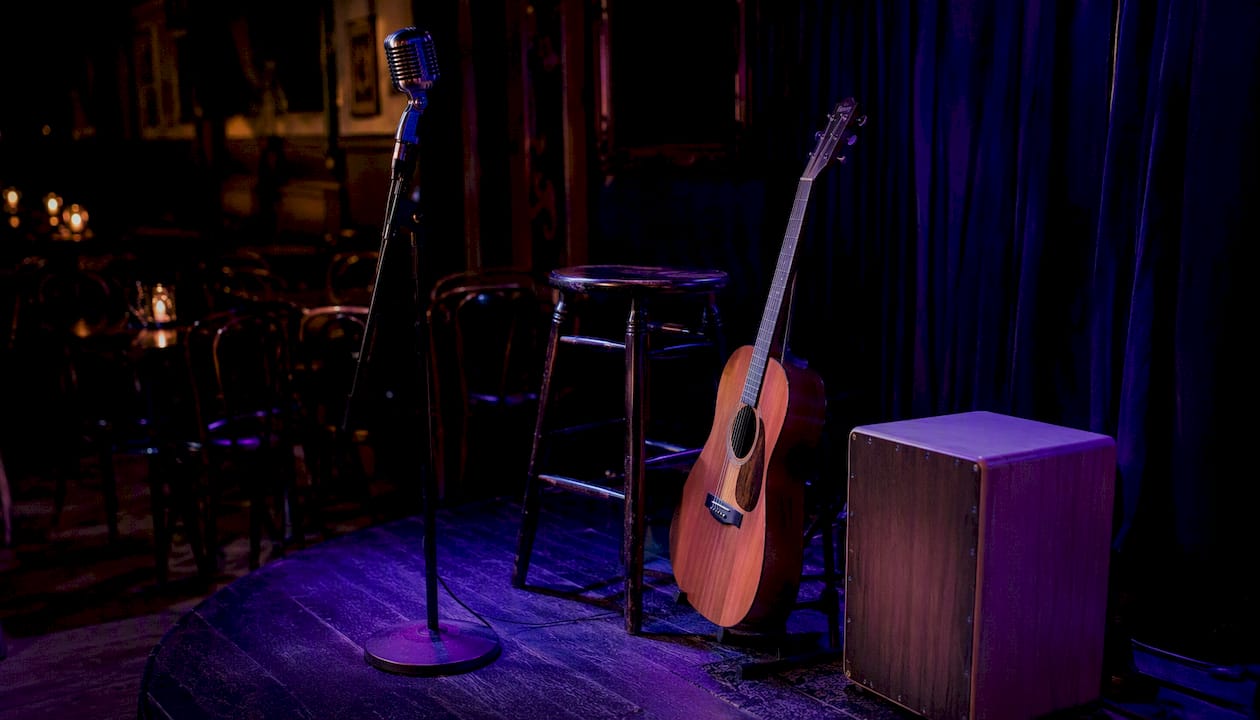
Offline channels work best when you want to hear someone play before you commit to anything. Open mics, local shows, music schools, and rehearsal-space bulletin boards let you judge feel, timing, and stage presence in real time, things no recording fully captures. You also get instant social proof: if a venue books someone regularly or a teacher vouches for a student, that carries real weight.
Social groups give you reach and speed. Local Facebook musician groups and genre-specific subreddits like r/FindABand put your post in front of hundreds of people within hours. The tradeoff is signal quality. You’ll get more replies, but also more people who never mention their gear, availability, or actual playing history.
Dedicated musician platforms and classifieds solve the filtering problem. Sites and profiles built specifically for musicians let you search by instrument, genre, and location, and let candidates attach audio before you ever exchange a message. That’s the difference between finding musicians online through a general feed and running an actual search with filters, which matters once you know exactly what you’re after.
| Best for | Reach | Ease of use | Cost | Response quality |
|---|---|---|---|---|
| Serious long-term project | Local to regional | Moderate, requires in-person follow-up | Free | High, backed by live performance |
| Casual covers band | Local | High, fast replies | Free | Mixed, variable commitment |
| Session or targeted search | Local to global | High, filterable by instrument/genre | Free to paid tiers | High, profiles with audio and history |
Ditto Music’s guide makes a point worth repeating: online and offline search aren’t competing strategies. Narrow by location, instrument, and genre online, then use in-person meetups to confirm what a profile can’t tell you.
The fastest way to waste a month is searching everywhere at once with a vague ad. Pick three channels, match each to a clear goal, and let the results tell you where to spend more time.
How to Write a Musician Ad That Attracts the Right People
A vague ad gets vague replies. “Looking for a bassist, must be good” tells a candidate nothing about whether they should even respond, so the Sollohub School of Music guide recommends stating your sound and commitment level up front, because clarity is what makes candidates self-select.
Every strong listing includes the same core fields:
- A headline naming the instrument and project type.
- The role you need and what gear or skill level it requires.
- Three reference artists or influences that pin down your sound.
- Commitment level: how often you rehearse and how often you gig.
- Location and logistics, including whether you have rehearsal space.
- What you already have (songs, a lineup, a gig booked) and what’s missing.
- Links to a demo, even a rough phone recording.
- A direct call to action: what you want them to send back.
Template A, joining an existing band: “Working three-piece rock band seeks lead guitarist. Influences: Pixies, Queens of the Stone Age, early Foo Fighters. We rehearse twice a week and have two gigs booked for spring. Send a 30-second clip of you playing and your availability.”
Template B, forming a new original project: “Songwriter with a batch of finished demos looking for a drummer and bassist to build an original indie-rock project from scratch. No gigs booked yet, this is ground floor. Send links to anything you’ve recorded and tell me what you’re hoping to build.”
Template C, casual covers band: “Forming a low-pressure covers band for bar gigs and private events, classic rock and 2000s pop. Looking for a keyboardist who can also sing backup. One rehearsal a week, flexible on gigs. Tell me your availability and send a clip if you’ve got one.”
Pro Tip: Record your demo clip in a quiet room, keep it between 30 and 90 seconds, and include one bar of a reference track first so listeners immediately hear the vibe you’re going for.
When replies come in, ask for a short bio, one or two demo clips, and their real availability before you commit to a call or meetup. That single step filters out most of the noise.
How to Screen Replies Before You Ever Meet Up
Technical skill is the easiest thing to evaluate and the least predictive of whether a band survives its first year. Screen for the harder stuff first.
Before scheduling anything, ask three questions in your first message back: What’s your current availability for rehearsals? What are you hoping to get out of this project, gigs, recording, just playing for fun? Can you send a clip of something you’ve played recently? Vague or delayed answers to any of these tell you more than a virtuoso solo ever will.
| Rating axis | What to watch for |
|---|---|
| Musical skill | Can they play the parts cleanly and hold time? |
| Listening and fit | Do they adjust to the group or just play over it? |
| Reliability | Do they show up on time and follow through on messages? |
| Communication | Are they clear and responsive, or vague and slow? |
| Shared goals | Do they want the same outcome, gigs, recordings, hobby? |
Red flags show up early if you’re watching for them. No demo after a direct ask, answers that dodge the availability question, and inconsistent replies to simple logistics questions all predict the same outcome down the line: someone who’s hard to plan around. The PUSH.fm guide recommends running short, structured auditions specifically because they surface these patterns faster than another round of messages ever will.
Skill and personality don’t have to be an either-or tradeoff. A short trial jam lets you test both at once, which is exactly why the next step matters so much.
How to Run the First Trial Jam
Keep the first session under an hour and a half and structure it so you’re not just playing, you’re actually observing.
- Minutes 0 to 10: Arrival, gear setup, sound check. Note whether they showed up on time and ready to plug in.
- Minutes 10 to 20: Warm up with something simple everyone already knows.
- Minutes 20 to 60: Play two or three songs you sent in advance, one straightforward, one that shows your actual style.
- Minutes 60 to 75: Try a short structured jam with no chart, just to see how they listen and adapt.
- Minutes 75 to 90: Debrief. Ask what they thought, share your honest take, and agree on a decision window.
Bring recordings or a shared link to the songs, chord charts or tabs, basic gear, and everyone’s contact info. Bringing water sounds trivial until you’re 40 minutes into a jam in a hot room with no breaks.
Watch for the things a demo can’t show you: do they listen when someone else takes a lead, do they take direction without getting defensive, are they on time, is their gear actually functional. After the jam, send a short follow-up within a day or two, something like: “Thanks for coming out, that was a good first session. We’re talking to a couple of other people and want to make a decision by [date], I’ll follow up either way.” A clear window respects everyone’s time.
Setting Expectations and Basic Band Agreements Early
Most band conflicts trace back to something nobody said out loud in week one. Put a few things in writing before you’re three months and one bad gig into a project.
Core items to nail down early: rehearsal schedule and who’s paying for the room, how gig money or splits get divided, who makes final calls on songs and bookings, basic etiquette around lateness or no-shows, and how much notice someone owes the group if they want to leave.
You don’t need a lawyer for this. A shared document with a few fields works fine:
| Item | What to fill in |
|---|---|
| Rehearsal schedule | Day, time, frequency, location |
| Cost sharing | Space rental split, who fronts money |
| Gig pay | Split method, how expenses are deducted |
| Decision-making | Who has final say on songs, bookings, gear |
| Leaving notice | Minimum notice period expected |
Rehearsal-space rentals typically run a modest hourly rate depending on your city, and a first demo recording can be done cheaply on a phone or for a bit more at a local studio. Treat any cost figure you hear from other bands as a rough example, not a fixed rule, since local rates vary widely.
Why Personality and Reliability Beat Raw Chops
The strongest predictor of whether a bandmate works out isn’t how well they play. It’s whether they show up, listen, and want the same thing you do.
Research on referrals and network-based sourcing backs this up directly: recommendations from someone you trust carry inherited vetting, and that consistently produces more reliable, more committed collaborators than cold contacts from an open classified. This lines up with what most working musicians already sense: a band that survives isn’t necessarily the most technically skilled lineup, it’s the one where people actually get along and pull in the same direction. That’s the real argument for network-based sourcing, and it’s why a personal referral from another musician often beats a stranger’s flawless audition tape.
Pro Tip: In a one-hour jam, watch for three specific things: do they ask clarifying questions instead of guessing, do they arrive on time with their gear ready, and do they adjust when you change direction mid-song. All three predict reliability better than any solo.
What I Would Do This Week If I Were You
Day one, post your ad using one of the templates above and send it to two channels at once, one social group and one dedicated platform. Day two, send three direct messages to musicians you’ve actually seen play, at a show, an open mic, or through a teacher. Day three or four, attend one open mic or jam night in person, even if you’re not performing, just to make contacts. By day five, you should have at least one reply worth following up on, so lock in a trial jam for the weekend. Day seven, run the jam and send your follow-up message the same day or the next.
Don’t chase a perfect ad before you post it. Send something reasonable now, then rewrite it after a week based on what kind of replies you actually get. If you’re getting skilled players who don’t fit your schedule, tighten the commitment language. If you’re getting vague replies with no demos, add a line requiring a clip before you’ll respond.
When you message someone cold, keep it short and specific: “Hey, saw you play at [venue] last week, really liked your tone. I’m putting together a project and looking for a [role]. Would you be up for a quick jam sometime in the next couple weeks?” That’s it. No pitch, no paragraph of backstory. Just enough to make replying easy.
Why a Dedicated Music Network Makes This Easier
Facebook groups and subreddits get you volume. What they don’t get you is a searchable, filterable pool of musicians who’ve already put thought into their profile, uploaded audio, and stated what they’re looking for. That’s the gap a purpose-built network closes.
MyKasu is built specifically for music professionals, which means your profile isn’t competing for attention in a general feed. You publish your music and audio projects on your own terms, search for collaborators by the details that actually matter, and discover paid gig opportunities in the same place you’re looking for bandmates. Against the comparison points that matter most, best-for a serious project, targeted reach, filterable search, and reply quality backed by real audio, a dedicated network wins on exactly the axes where local Facebook groups and subreddits fall short.
If you’re ready to stop sorting through vague replies, create a MyKasu profile, upload a demo clip, and start searching for collaborators who match your genre and commitment level today.
Frequently Asked Questions
How do I find bandmates if I don’t know any musicians locally? Start with one social group and one dedicated musician platform, then attend a single open mic or local show to start building face-to-face contacts. Combining online reach with even one in-person appearance speeds up trust-building considerably.
What’s the fastest way to find band members online? Post a specific, detailed ad on a platform built for musicians, one that lets you filter by instrument and genre and attach a demo clip. Vague posts in general social feeds get more replies but far lower match quality.
How long should a trial jam last before deciding on a bandmate? Keep it to around 60 to 90 minutes. That’s enough time to play two or three songs, try a short unscripted jam section, and debrief without exhausting anyone’s patience or gear.
Should I prioritize skill or personality when choosing a bandmate? Weigh both, but don’t let raw skill outweigh reliability and shared goals. A slightly less polished player who shows up on time and listens well tends to outlast a virtuoso who’s hard to schedule or doesn’t fit the group’s direction.
Sources
A few more resources are worth bookmarking as you refine your search and your ad.
- Selman — referral/network benefits (academic paper)
- How to Find Band Members: Complete Guide - Sollohub School of Music
- How to Find Band Members & Recruit Musicians | Ditto Music
- How to find band mates - a step-by-step guide for musicians - PUSH.fm